
GR-1002 outdoor digital television antenna TV receiver with 28-36 dB gain rotatable design for VHF UHF frequencies 470-862 MHz high gain reception for improved TV signal


GR-1002 outdoor digital television antenna TV receiver with 28-36 dB gain rotatable design for VHF UHF frequencies 470-862 MHz high gain reception for improved TV signal
GR-1002 High Gain Rotatable Outdoor Digital Television Antenna for 470-862 MHz Reception
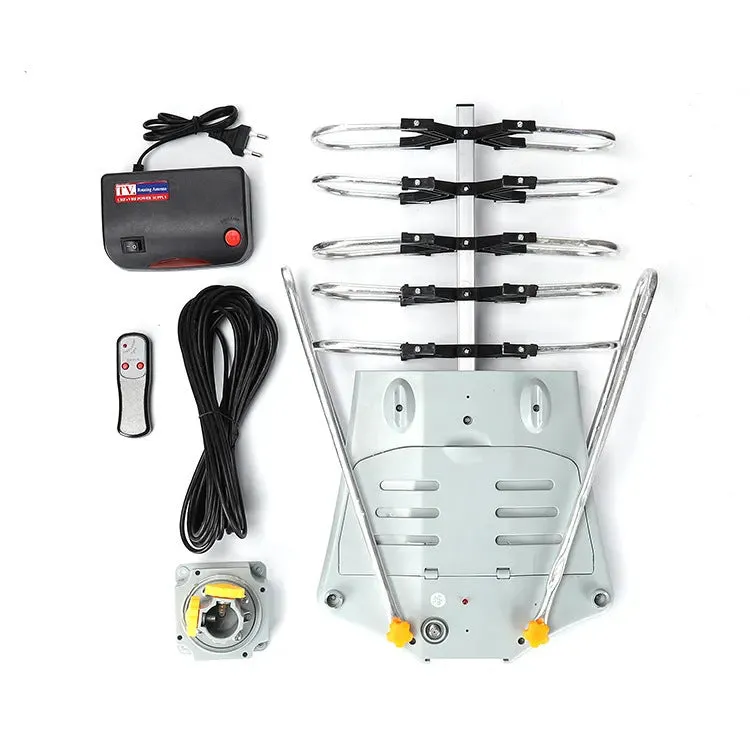
Designed to address weak television signals in areas with marginal reception, the GR-1002 outdoor digital TV antenna provides 28-36 dB of signal amplification across the full VHF and UHF frequency spectrum from 470 to 862 MHz. This rotatable antenna allows directional adjustment to maximise signal strength from television transmitters, making it suitable for outdoor installation where indoor antennas prove insufficient. With 75 ohm impedance matching for standard coaxial connections and a standing wave ratio of ≤1.5, the antenna efficiently transfers captured signals to your television or set-top box without significant loss or reflection.
Technical Specifications and Performance

The GR-1002's technical parameters define its reception capabilities within measurable ranges rather than absolute guarantees, providing realistic expectations for signal improvement.
Gain and Frequency Coverage
Operating with 28-36 dB of gain amplification, this antenna strengthens weak television signals across the 470-862 MHz frequency spectrum that encompasses digital television broadcasts. The gain range indicates variable performance depending on specific frequencies within this band, with higher gain typically occurring at optimal frequencies. This coverage includes both VHF and UHF television channels commonly used for digital terrestrial television services in many regions.
Impedance Matching System
Featuring 75 ohm impedance matching, the antenna connects seamlessly with standard coaxial cable installations found in most homes and buildings. The standing wave ratio (SWR) of ≤1.5 indicates efficient power transfer between the antenna and connected equipment, minimising signal reflection that can cause picture degradation or channel loss. This electrical compatibility ensures the antenna works with existing television infrastructure without requiring specialised adaptors or connectors.
Installation and Adjustment Features

The physical design incorporates practical elements for optimal placement and adjustment to maximise reception quality in varying signal environments.
Rotatable Directional Adjustment
Unlike fixed-position antennas, the rotatable design allows gradual directional adjustment to find the optimal orientation toward television transmitters. This adjustability proves particularly useful in areas where signals arrive from multiple directions or where signal strength varies significantly by orientation. Once the strongest signal position is identified through rotation, the antenna can be secured to maintain consistent reception without requiring re-adjustment during normal use.
Outdoor Construction Considerations
Constructed for outdoor mounting, the antenna materials withstand typical weather exposure encountered in external installations. Outdoor placement generally provides better reception than indoor alternatives by avoiding signal blockage from building materials and allowing elevation above ground-level obstructions. The design assumes installation in locations with reasonable access for initial adjustment while considering the practical constraints of mounting on roofs, walls, or poles.
Practical Applications and Usage Scenarios
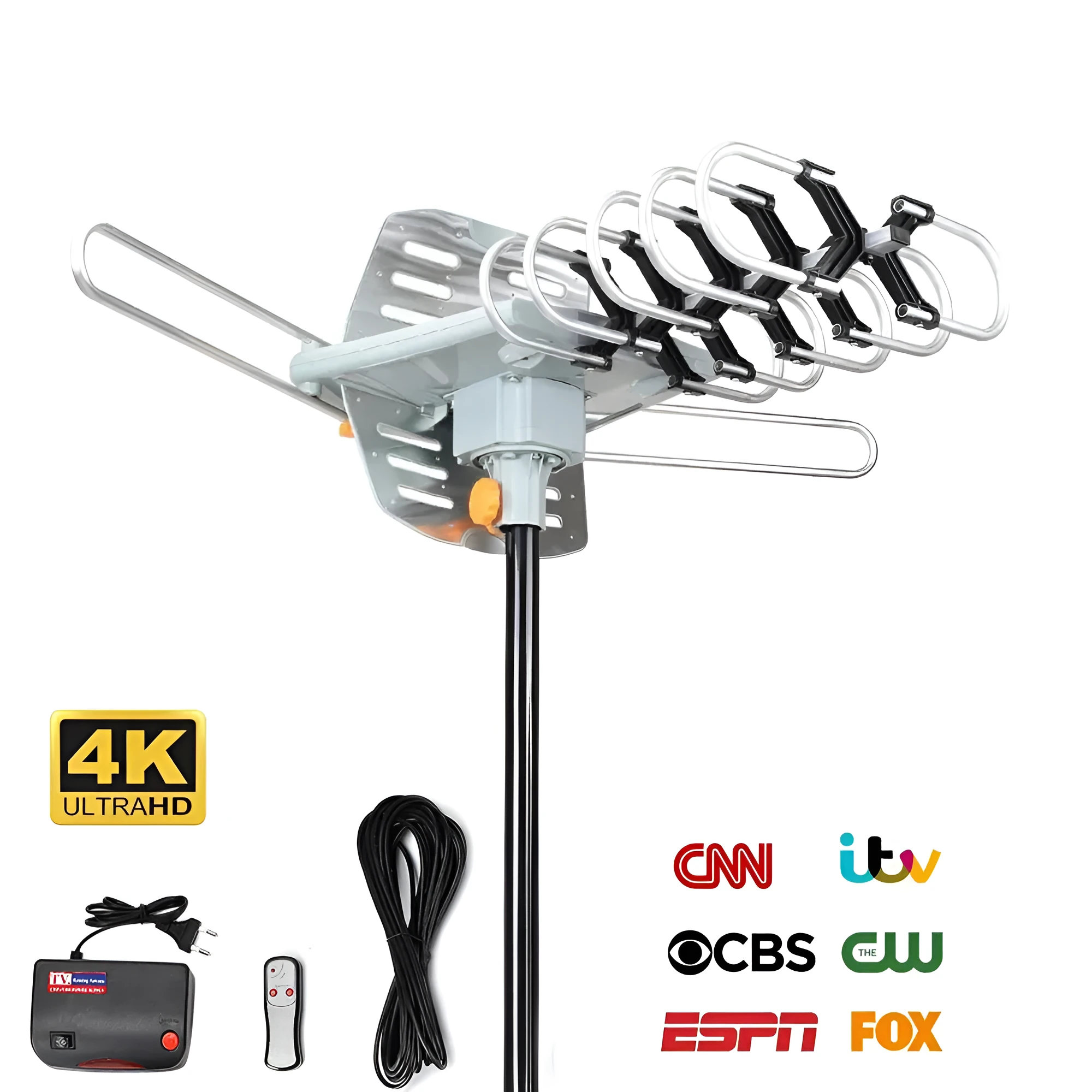
The GR-1002 addresses specific television reception challenges through its combination of technical specifications and adjustable design features.
Marginal Reception Area Improvement
In locations where television signals are weak but present, the 28-36 dB gain amplification can make the difference between watchable and unwatchable television reception. The antenna particularly benefits areas at some distance from transmitters or with terrain that partially obstructs signal paths. By strengthening existing signals rather than creating reception where none exists, it provides measurable improvement within its technical parameters.
Multi-Direction Signal Environments
The rotatable function proves valuable where television transmitters operate from different directions, allowing users to optimise for specific channels or switch between transmitter groups. This adaptability accommodates changing signal conditions that might occur with weather variations or temporary interference sources. The directional adjustment provides a practical solution when fixed antennas would require physical relocation to achieve similar results.