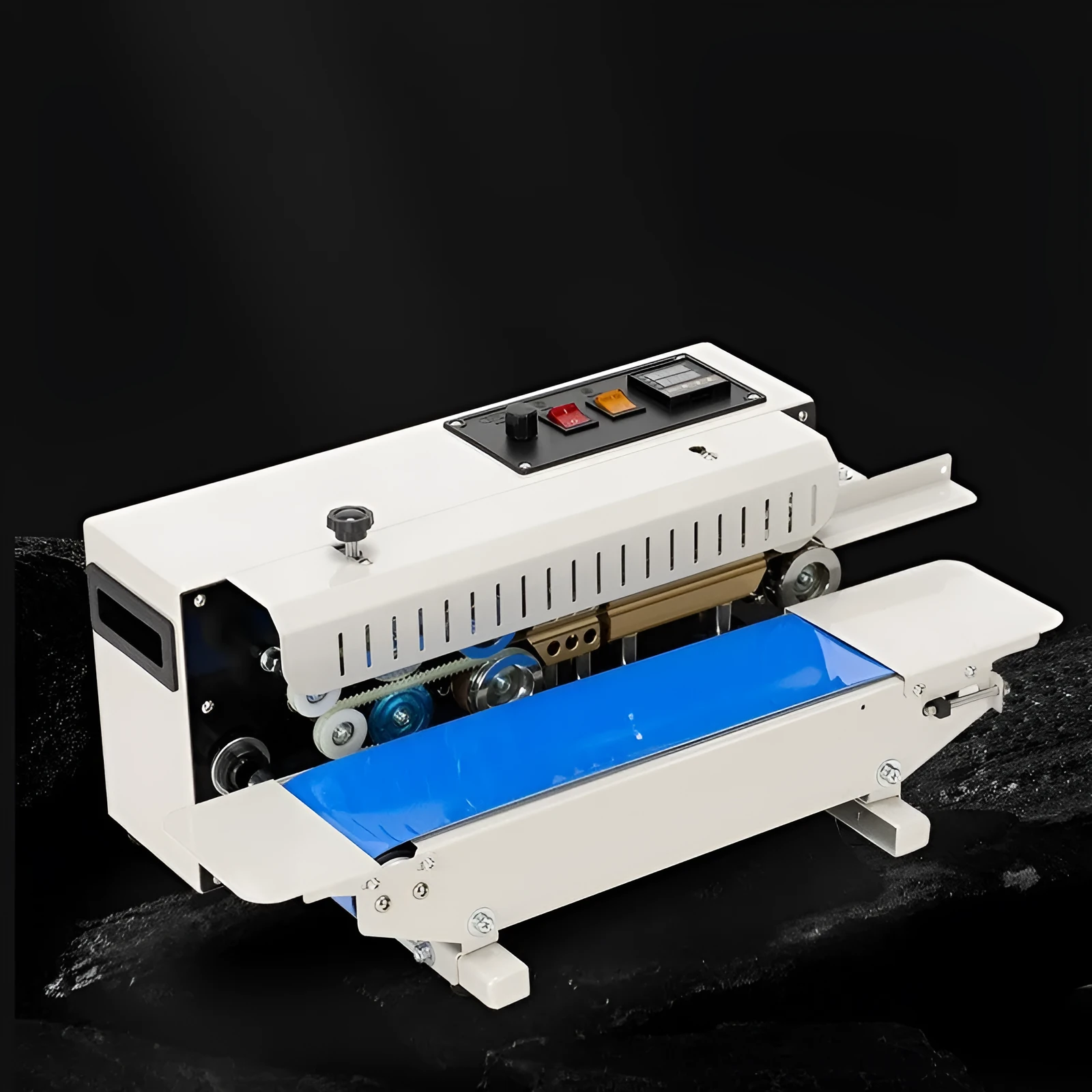
Mini small sealing machine with date printing function, a compact steel seal type L1 model that embosses and seals packaging with customisable date marking for food, medical, or commercial labelling needs.


Mini small sealing machine with date printing function, a compact steel seal type L1 model that embosses and seals packaging with customisable date marking for food, medical, or commercial labelling needs.
Mini Steel Seal Sealing Machine with Customisable Date Printing for Packaging Labelling
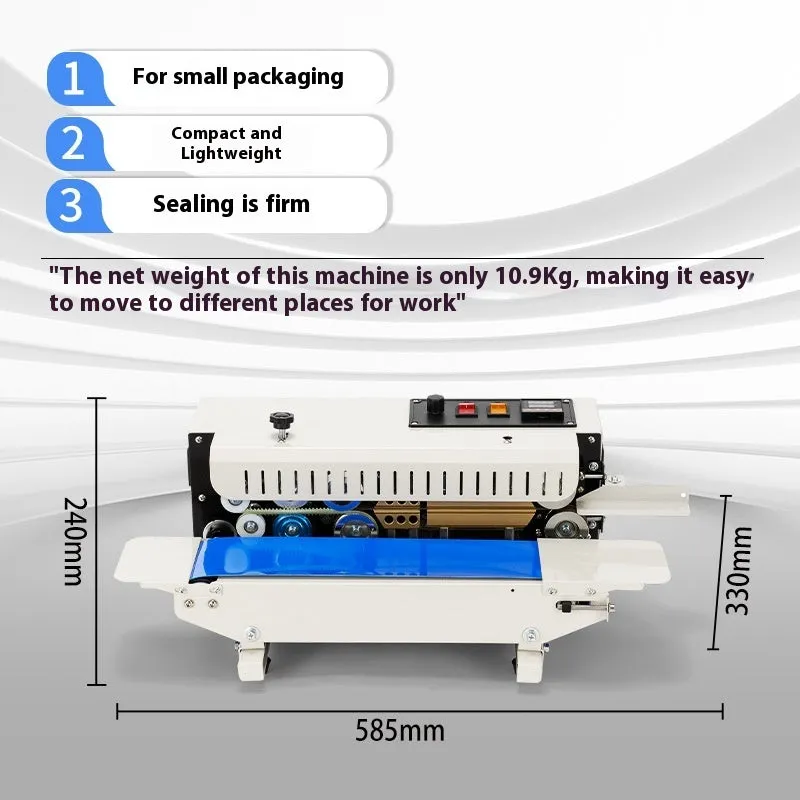
This compact L1 model steel seal sealing machine addresses a specific need in small-scale packaging operations: the ability to create a sealed closure while simultaneously embossing crucial date information. Whether used in a commercial kitchen for food packaging, a small medical supplier for sterile goods, or a retail environment for product batches, it provides a manual, straightforward method for adding traceability. The machine’s core function combines heat sealing with a steel stamp that imparts a clear, permanent date code onto the packaging material. Its small size and simple design mean it can be integrated into existing workflows without requiring significant space or technical expertise, making date coding accessible for operations that don’t need large, automated systems.
Features and Construction

The machine is built around its defining feature: a steel sealing mechanism that both seals packaging and embosses it with a date. This dual-purpose design is central to its utility in settings where package integrity and product information are equally important.
Material and Build
The key component is the steel seal itself. This metal stamp is integrated into the sealing head and is responsible for creating the raised, legible date impression on the packaging film during the sealing process. The use of steel for the stamping element ensures the date marking remains clear and consistent over repeated uses, as the material resists wear from contact with various packaging films. The rest of the machine’s construction is designed to support this function, with a manual pressing mechanism that applies even pressure and heat to activate the seal and simultaneously press the steel date stamp into the softened material.
Size and Practical Fit
Described as a ‘mini small’ machine and specified as an L1 model, its dimensions are compact. This size profile is a primary differentiator, making it suitable for environments where workspace is limited, such as on a kitchen counter next to a packing station, on a shelf in a clinic’s preparation room, or on a retail shop’s back counter. The small footprint means it can be stored easily when not in use and brought out only for batch packaging runs. Its manual operation eliminates the need for a power cord placement, offering further flexibility in where it can be set up temporarily for a labelling task.
Uses and Placement
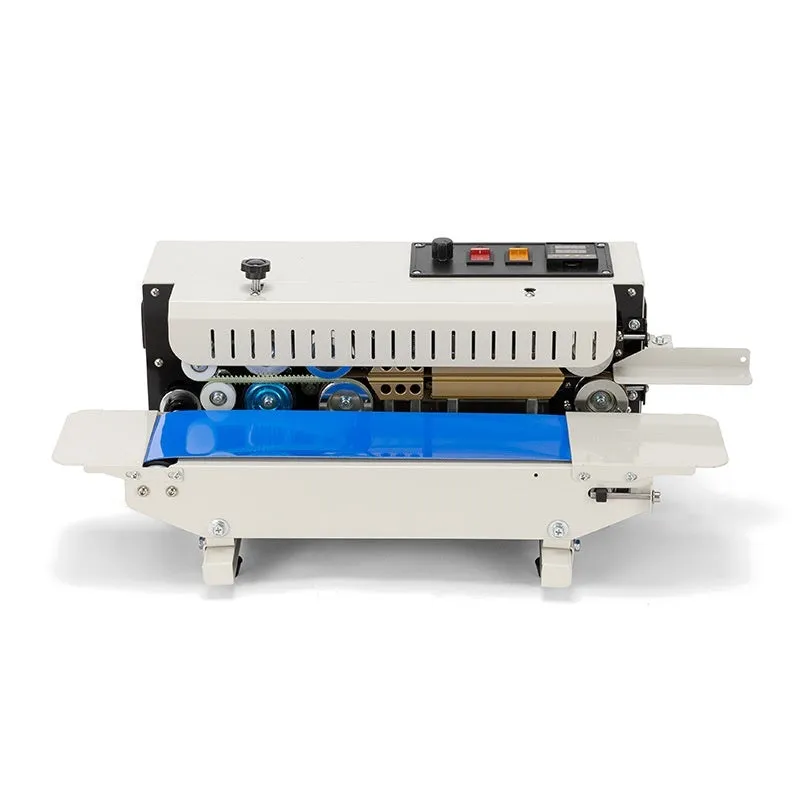
The ‘printable date’ function defines its application. It is designed for scenarios where the date—be it a production date, expiry date, or best-before date—is a mandatory or highly desirable piece of information to include on sealed packaging.
Event or Professional Use
In professional or small commercial contexts, this machine adds a layer of compliance and professionalism. A small bakery sealing bags of cookies or granola can stamp each with a ‘baked on’ date. A caterer packing individual portions can mark them with a use-by date. A supplier of non-sterile medical components might use it to label batches with a lot number and date for traceability. The manual process allows for quick date changes between different products or batches, supporting flexible, small-volume production where dates vary frequently.
Everyday Home Use
While its construction suggests a robustness suited for repeated use, it could also serve organised home users. Someone who batches homemade jams, dehydrated foods, or crafts for sale at local markets could use it to seal bags professionally and add a ‘made on’ date, enhancing product presentation and meeting customer expectations for freshness information. Its simplicity means there is no complex programming; the date is set manually, making it accessible without technical knowledge.
Benefits and Buying Value
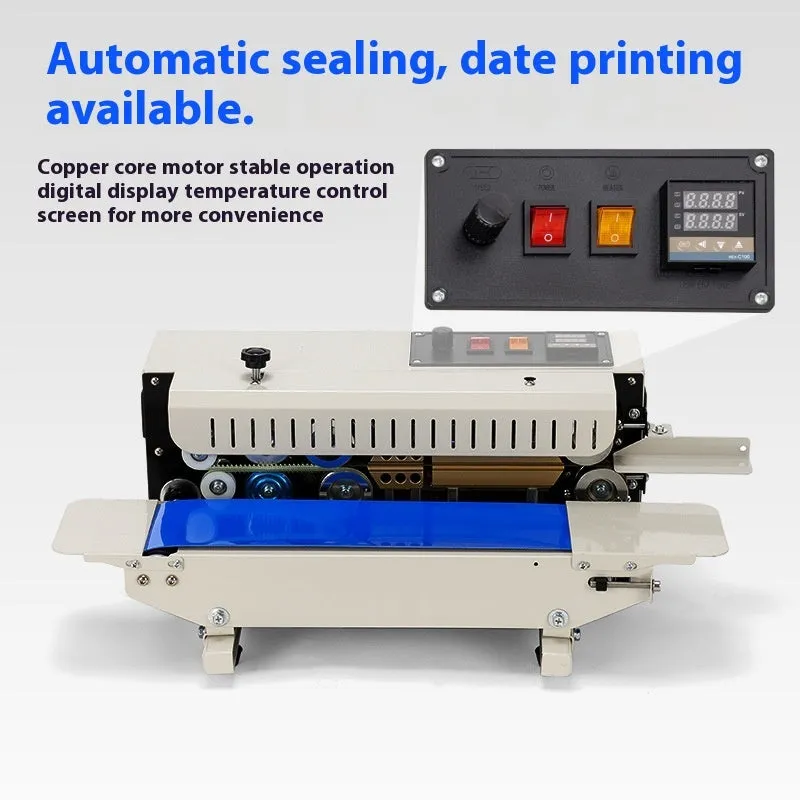
The value of this machine lies in combining two separate packaging tasks—sealing and date marking—into a single, compact, manual tool.
Reuse and Low Maintenance
As a manual tool with a steel sealing element, it is built for reuse over time. Maintenance is minimal, primarily involving keeping the sealing surfaces and the steel stamp clean to ensure a clear impression and an effective seal. There are no consumables like ink ribbons or labels required for the date function, as the date is embossed directly into the material. This can lead to lower long-term running costs compared to systems that require separate labels or ink.
Why Choose This Product
Choosing this product is justified when there is a clear need for a compact, manual solution that adds date coding directly onto sealed packages. It is for those who find adhesive date labels impractical, who want the date to be an integral part of the seal, or who work in environments where space and simplicity are priorities. Its value is in its focused functionality: it does not over-complicate the task with unnecessary features, but provides a reliable method for achieving a sealed, date-marked package in one step, which can improve workflow efficiency and product presentation for small to medium batch operations.